
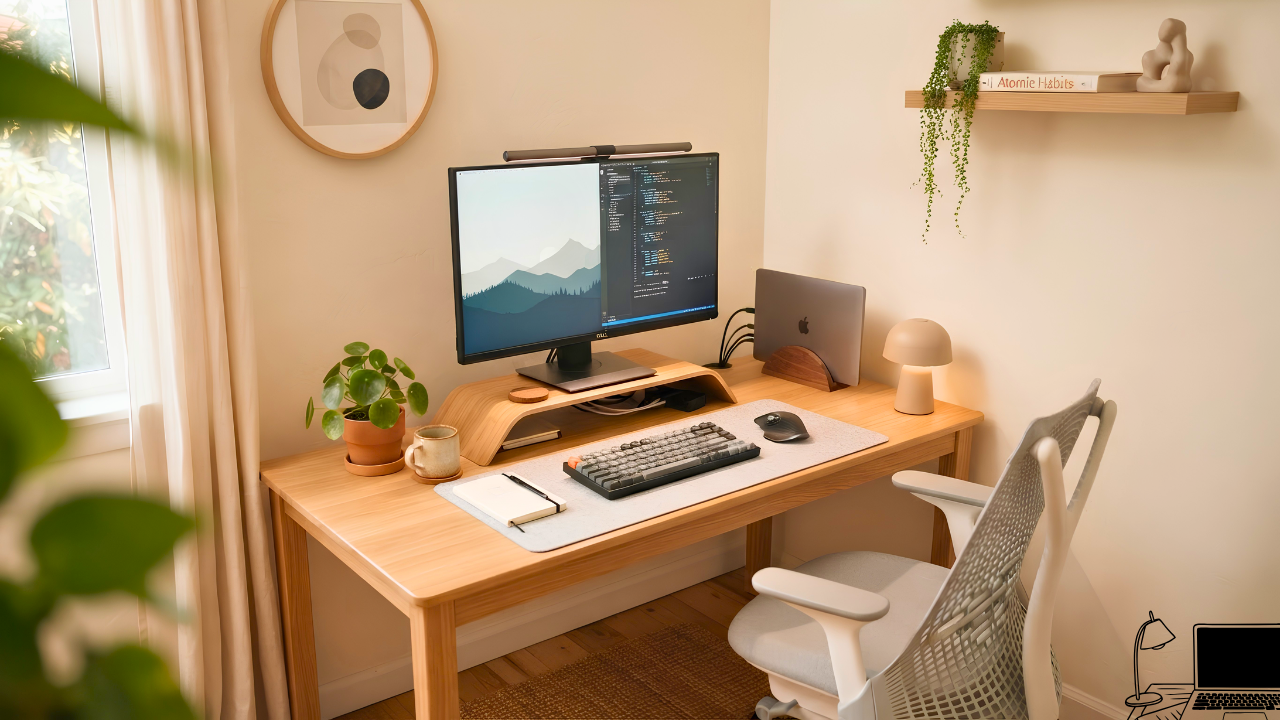
Creating a neat workspace can feel tricky when you do not have much room. Many people wonder how to get that clean look, especially beginners. The Minimalist trending desk setup for small spaces is popular because it makes a room feel bigger and calmer.
But it can seem hard to know where to start. Don’t worry, we’ll walk through it simply, step by step. We will show you how to make your small space work perfectly for you.
The 12 Essential Elements of a Minimalist Desk Setup for Small Spaces
Finding the right desk setup for a small area can be a big challenge. You want a space that feels open and tidy, but also works for all your tasks. A minimalist approach is perfect for this.
It helps you focus by getting rid of extra stuff. When you have less clutter, your mind feels clearer too. This means you can do your work or enjoy your hobbies better.
It’s not about having nothing, but about having the right things that serve a purpose. We are going to explore exactly what makes a small desk space work well. We will look at how to pick the right items and arrange them so your area feels both functional and peaceful.
This guide will give you clear steps to achieve that dream tidy workspace without the stress.
1. Choose a Compact Desk Design
When space is tight, the desk itself is the first thing to consider. You need something that fits well and doesn’t overwhelm the room. Look for desks with clean lines and simple shapes.
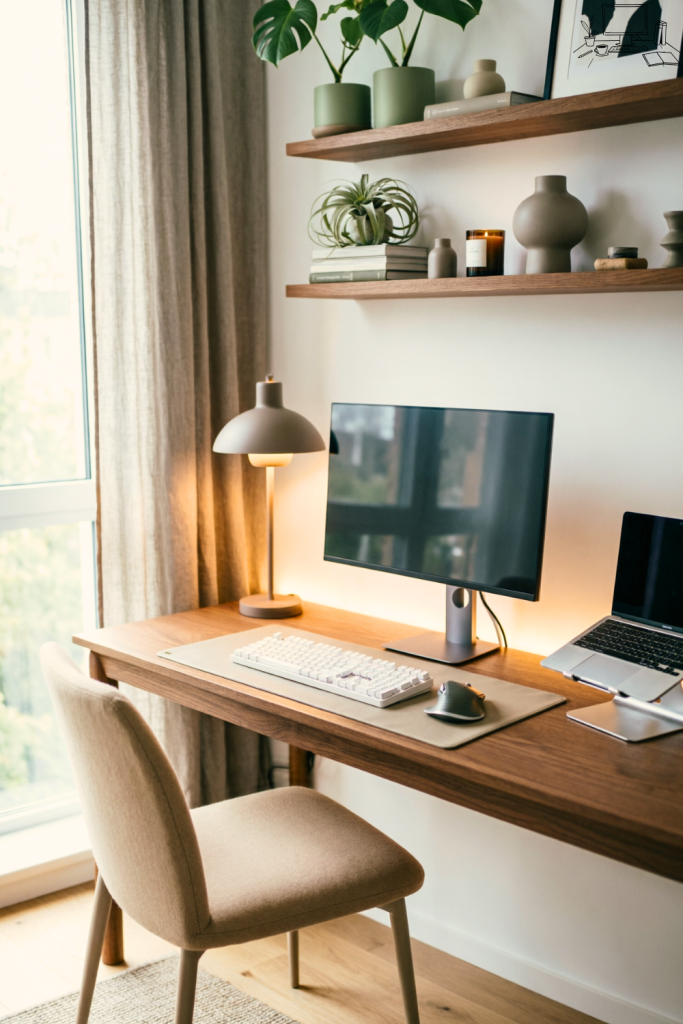
Wall-mounted desks are a fantastic option. They save floor space and can be installed at your ideal height. A floating desk gives a very open feel.
Another good choice is a corner desk. These use often-unused space efficiently. Desk dimensions are key.
Measure your area carefully before you shop. Aim for a desk that is deep enough for your computer or laptop and a few essentials, but not too wide or deep that it blocks movement.
Consider desks with built-in storage, but make sure it’s subtle. Too much visible storage can make a small space feel crowded. Slim drawers or a simple shelf underneath can be useful.
The material matters too. Light-colored wood or white finishes can make the desk and the space feel airier. Avoid bulky, dark desks.
They can make a small room feel even smaller.
Here’s a quick check for choosing your desk:
- Size Matters: Measure your available floor space accurately. Aim for a desk that leaves ample room to walk around it comfortably.
- Functionality First: Does it support your main activities like computer work, writing, or crafting? Ensure it has enough surface area for your essential tools.
- Aesthetics: Opt for a simple design. Clean lines and a light color palette will help the desk blend in and make the room feel larger.
For example, someone living in a studio apartment might choose a narrow console desk that doubles as a dining surface. This saves space and provides multiple uses. Another person in a small bedroom could opt for a wall-mounted fold-down desk.
This can be hidden away when not in use, keeping the room looking tidy.
2. Selective Tech and Cable Management
In a minimalist setup, your technology should be functional and unobtrusive. For small spaces, this means being smart about what you connect and how you keep it tidy. Wireless peripherals like a mouse and keyboard are a must.
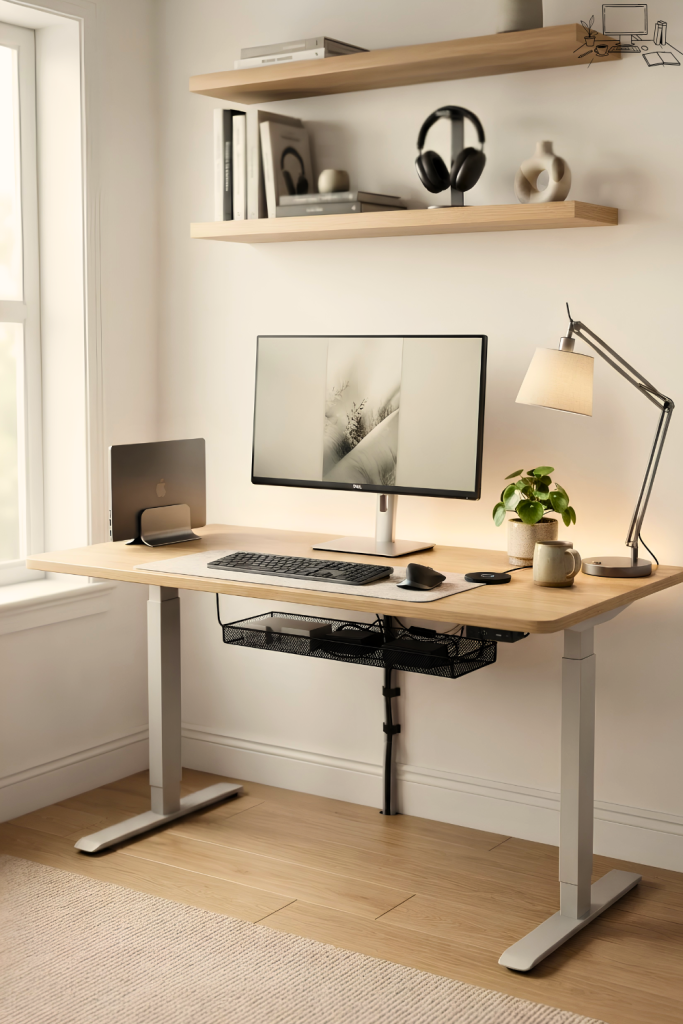
They reduce cable clutter significantly. If you need a monitor, consider a slim, VESA-mounted one that can attach to the wall or a monitor arm. This frees up valuable desk surface space.
Laptops are naturally space-saving. If you use a desktop, try to keep the tower tucked away under the desk or on a small shelf if possible.
Cable management is where minimalism truly shines. Exposed wires are a visual distraction and make a space feel messy. Invest in cable clips, sleeves, or a cable management box.
These hide wires effectively. A power strip with USB ports can also reduce the number of plugs needed. Think about integrated solutions.
Some desks come with built-in cable management systems. These are ideal for keeping everything neat and out of sight. The goal is to have only the essentials visible and their connections hidden.
Here’s how to tackle your tech:
- Go Wireless: Opt for wireless keyboards, mice, and printers whenever possible to cut down on cable sprawl.
- Streamline Peripherals: Choose monitors with slim bezels and consider a monitor arm to lift it off the desk surface.
- Hide the Wires: Use cable ties, sleeves, or management boxes to bundle and conceal all visible cords.
A common scenario is a student using a laptop for most tasks. They might add a slim external monitor for better ergonomics and a wireless keyboard and mouse. All cables are then routed through a cable sleeve attached to the back of the monitor and run down to a discreet power strip under the desk.
Statistics show that good cable management can make a workspace feel up to 50% larger and more organized. One survey found that 75% of people feel more productive in a tidy environment.
3. Smart Storage Solutions
Storage in a minimalist setup is about quality over quantity. You want to store things out of sight. For small spaces, this is even more important.
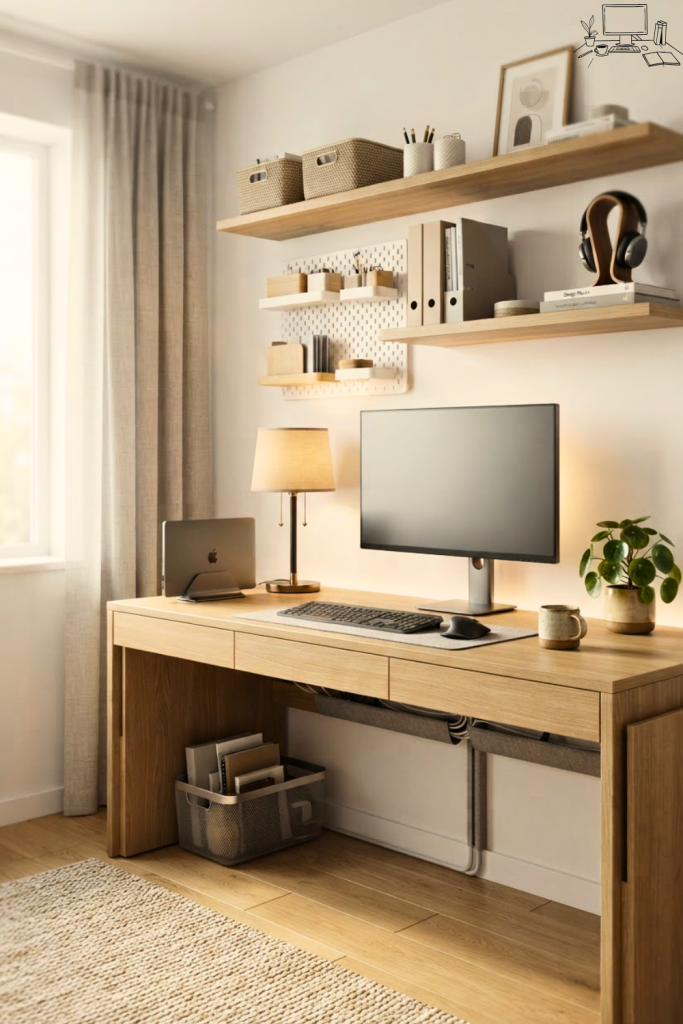
Wall shelves are excellent. They utilize vertical space without taking up floor area. Floating shelves look sleek and modern.
Use them for books, decorative items, or a few essentials you need handy. Drawer organizers are essential for keeping what’s inside your desk drawers neat and accessible. Small compartments prevent items from becoming a jumbled mess.
Consider multifunctional furniture. A desk with a small, integrated shelf can hold a few items without adding extra pieces. Wall-mounted organizers, like pegboards or wall-mounted file holders, can keep stationery and important papers organized and off your desk surface.
The key is to have a designated place for everything. When items have a home, it’s easier to put them away and maintain the minimalist look. Don’t clutter shelves with too many items; a few well-chosen pieces are better.
Here are smart storage ideas:
- Vertical Space: Install wall shelves or floating shelves to store items without sacrificing desk surface or floor space.
- Drawer Inserts: Use dividers and organizers within your desk drawers to keep stationery, pens, and other small items neatly sorted.
- Wall Organizers: Utilize pegboards or wall-mounted holders for frequently used items like scissors, notepads, or mail.
A graphic designer working from a small apartment might use a sleek, minimalist wall shelf above their desk to store a few design books and a small plant. They would also use drawer organizers for pens, USB drives, and other small tools.
4. Declutter ruthlessly
This step is vital for any minimalist setup, especially in a small space. It means getting rid of anything you don’t use or need. Go through everything on your desk and in your drawers.
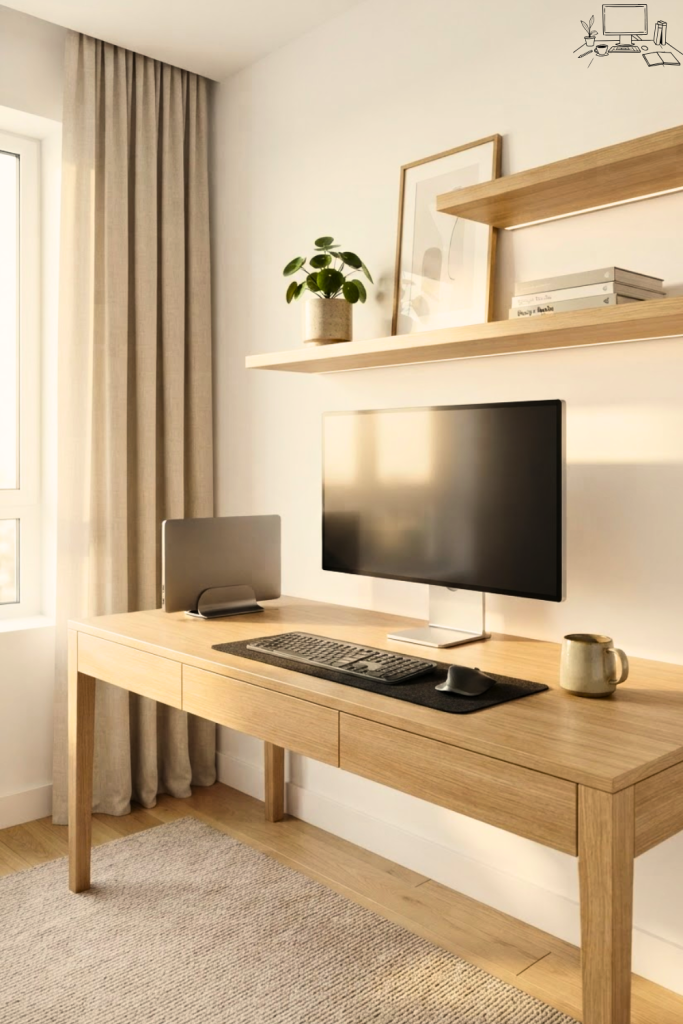
Ask yourself if you’ve used it recently. Does it bring you joy? Does it serve a clear purpose?
If the answer is no, it’s time to let it go. This might involve donating items, selling them, or simply throwing them away.
Be honest with yourself. It’s easy to keep things “just in case,” but these items accumulate and create clutter. Think about your daily workflow.
What do you actually need at arm’s reach? What can be stored away in a drawer or on a shelf? The less you have on your desk surface, the more spacious and calm it will feel.
This process isn’t a one-time event. Schedule regular decluttering sessions, perhaps once a month, to maintain your tidy space.
Key decluttering questions:
- Usage Check: When was the last time you used this item? If it’s been over six months and it’s not essential, consider letting it go.
- Purpose Test: Does this item serve a clear and necessary function for your work or hobbies? If not, it might be clutter.
- Emotional Attachment: While some items have sentimental value, try to keep only the most meaningful ones. Too many sentimental items can create visual noise.
Imagine someone’s desk is piled high with old notes, pens that don’t work, and random gadgets. By decluttering, they might keep only a few working pens, essential current project notes, and one or two useful gadgets, freeing up significant surface area.
5. Focus on Functional Decor
Decor in a minimalist setup should be purposeful and enhance the space without adding clutter. Choose items that are both beautiful and useful. A small, elegant desk lamp can provide necessary light and add a touch of style.
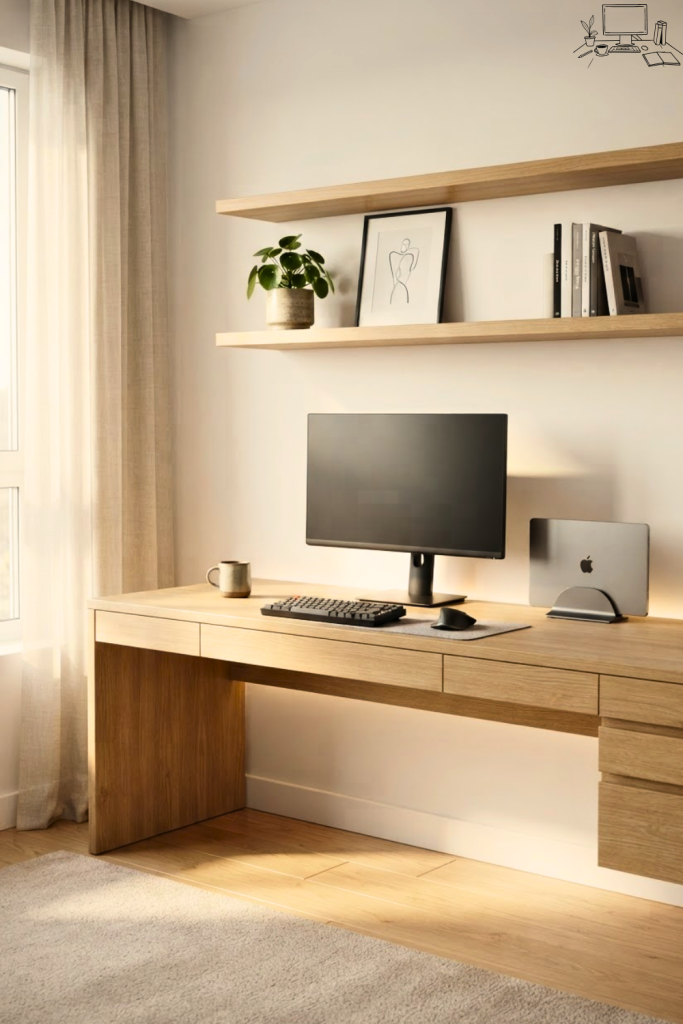
Plants are a great addition. They bring life and color to the space and can improve air quality. A single, well-chosen picture frame with a meaningful photo can add personality without overwhelming the area.
Avoid collecting too many decorative items. For example, instead of having a collection of small trinkets, opt for one larger, more impactful piece. Think about the overall color scheme.
Neutral tones like white, grey, beige, and soft pastels create a calming atmosphere. Adding a touch of natural wood can bring warmth. The aim is to create a visually pleasing environment that supports focus and relaxation.
Every item on your desk or in your immediate workspace should either be functional or contribute positively to the overall aesthetic and mood.
Here are ideas for functional decor:
- Task Lighting: Select a sleek, minimalist desk lamp that provides good light for your tasks and adds to the room’s ambiance.
- Natural Elements: Introduce a small, easy-to-care-for plant to add life, color, and a sense of calm to your workspace.
- Personal Touches: Display one or two carefully chosen items, like a framed photo or a piece of art, that hold personal meaning.
A writer might have a small potted succulent on their desk and a simple, modern desk lamp. They might also have a single framed quote that inspires them, all contributing to a serene work environment.
Research indicates that natural elements like plants in a workspace can reduce stress by up to 15%.
6. Ergonomics for Comfort and Health
Even with a small desk, comfort and your health are very important. Good ergonomics means setting up your workspace so it supports your body and prevents strain. Your chair is key.
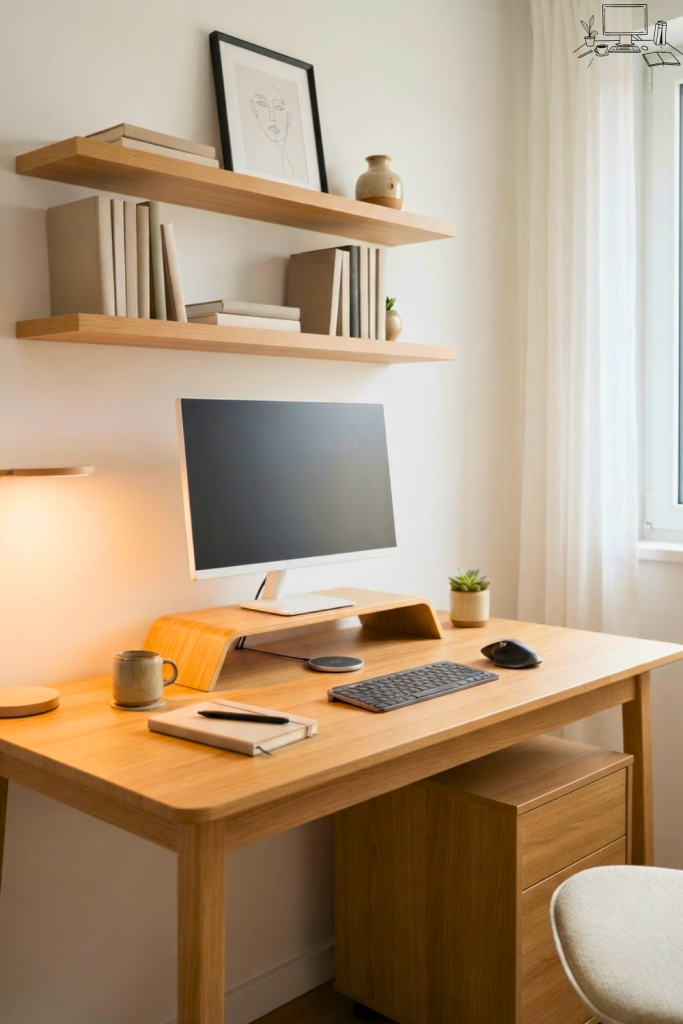
Make sure it offers good lumbar support and is adjustable for height. Your desk height should allow your arms to rest at a 90-degree angle when typing, with your feet flat on the floor.
Monitor placement is also crucial. The top of your screen should be at or slightly below eye level. This prevents you from craning your neck.
If you use a laptop, consider a laptop stand and an external keyboard and mouse. This will help you achieve a more ergonomic setup. Take regular breaks to stretch and move around.
Even small adjustments can make a big difference in your comfort and long-term well-being. A comfortable workspace is a productive workspace.
Key ergonomic considerations:
- Chair Support: Ensure your chair provides adequate back support and can be adjusted to the correct height for your desk.
- Screen Position: Place your monitor so the top of the screen is at eye level to prevent neck strain.
- Posture Promoters: Use laptop stands, external keyboards, and mice to maintain a neutral posture while working.
A freelance designer often works long hours. They invested in an ergonomic chair and a monitor riser. They also ensure their keyboard is at the right height.
This setup allows them to work comfortably and avoid back pain, even in their compact home office.
Studies have shown that proper ergonomic setups can reduce the risk of carpal tunnel syndrome and back pain by over 50%.
7. Utilize Wall Space Effectively
For small spaces, looking up is often the solution to looking out. Wall space is prime real estate for storage and organization. Wall-mounted shelves are a classic choice.
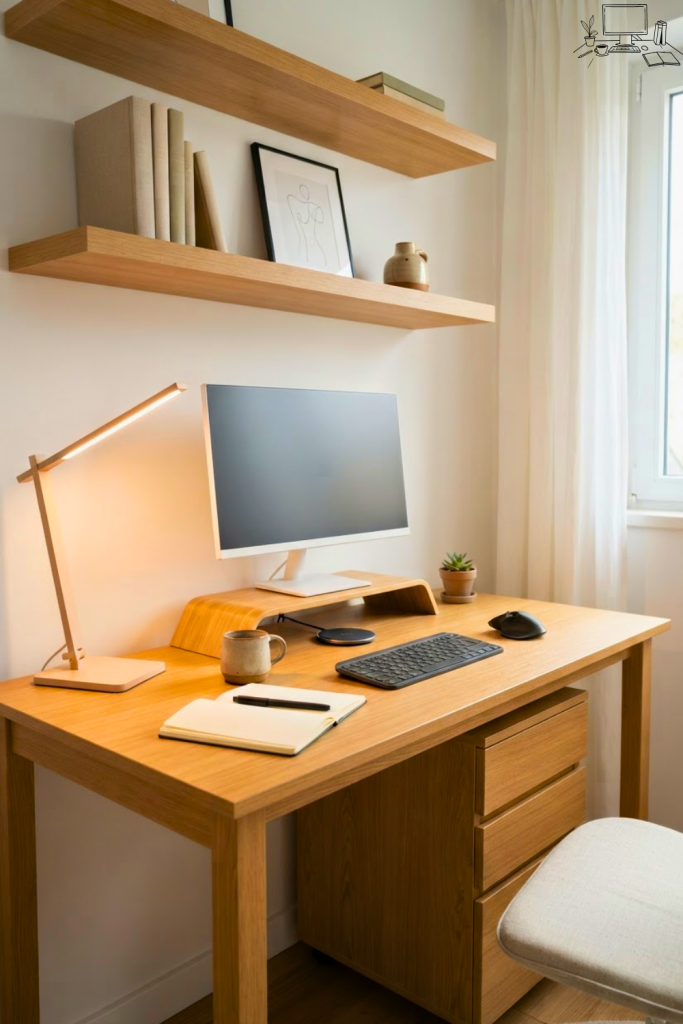
They can hold books, decorative items, or even small storage bins. Floating shelves are particularly sleek and minimalist, creating the illusion of more space. Pegboards are incredibly versatile.
You can hang tools, stationery, inspiration boards, or small shelves from them.
Consider wall-mounted file organizers for important documents or notebooks. Monitor arms that attach to the wall can also free up desk surface. Even hanging plants can add a touch of nature without taking up valuable horizontal space.
The key is to keep the walls tidy and organized, rather than cluttered. Group items thoughtfully. A few well-placed shelves or organizers can make a big difference in functionality and aesthetics.
This keeps your desk clear and your mind focused.
Maximize wall space with:
- Floating Shelves: Install minimalist floating shelves for books, plants, or decorative items to add storage without bulk.
- Pegboards: Use a pegboard to hang tools, stationery, or inspiration materials, keeping them accessible and off your desk.
- Wall Files: Mount organizers for documents, mail, or notebooks to keep important papers neatly stored and visible.
A writer living in a tiny apartment might install a long, thin shelf above their desk. On it, they keep a few inspiring books, a small plant, and a minimalist desk clock. This utilizes unused wall space effectively.
8. Invest in Quality Over Quantity
When you have limited space, it’s wise to focus on owning fewer, but better, items. This applies to everything on and around your desk. Instead of having several cheap pens, invest in one or two high-quality pens that you love to use.
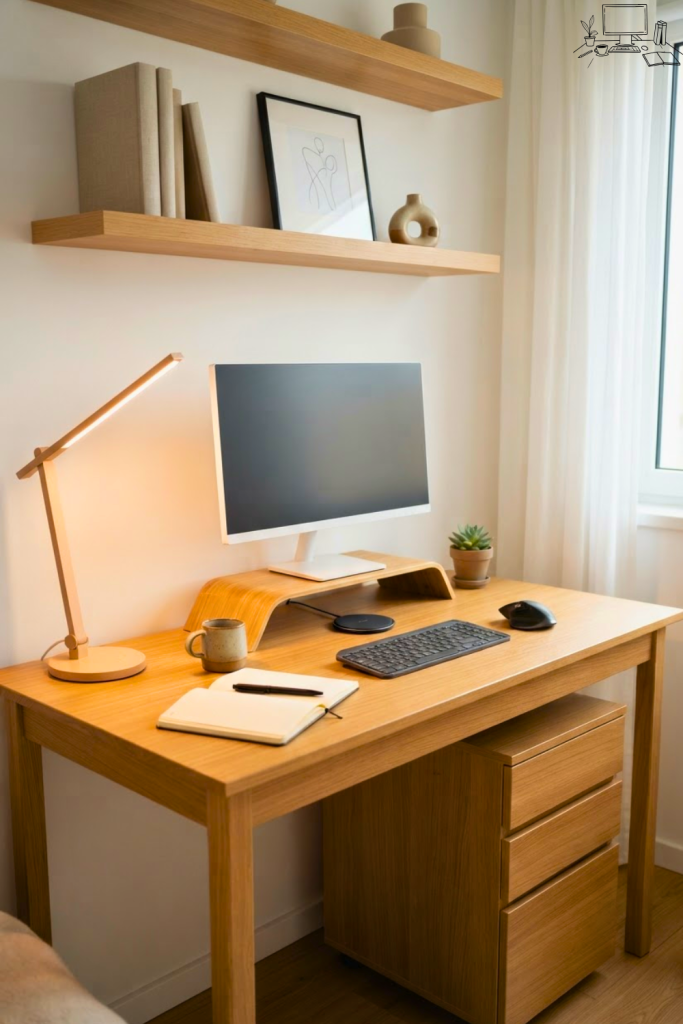
For a keyboard, choose one that feels good and is durable. A comfortable, well-made chair can last for years and significantly improve your working experience.
The same applies to decor and accessories. A single, well-crafted item can have more impact than a collection of mass-produced knick-knacks. This philosophy extends to your technology too.
A reliable, efficient piece of tech that serves its purpose well is more valuable than multiple gadgets that are mediocre. When you buy fewer items, you can afford to spend a bit more on each one. This leads to a more satisfying and long-lasting setup.
It also means less waste and less to manage.
Key principles for quality:
- Durability: Choose items that are built to last, reducing the need for frequent replacements and future clutter.
- Functionality: Prioritize items that perform their intended job exceptionally well, enhancing your productivity and enjoyment.
- Aesthetics: Select pieces that are visually pleasing and complement your minimalist style, contributing to a calm atmosphere.
A photographer might choose a single, high-resolution external monitor instead of two cheaper ones. This provides a better viewing experience and uses less desk space, embodying the ‘quality over quantity’ principle.
9. Natural Light and Task Lighting Balance
Maximizing natural light is a top priority for small spaces. It makes any area feel larger, brighter, and more inviting. Position your desk near a window if possible.
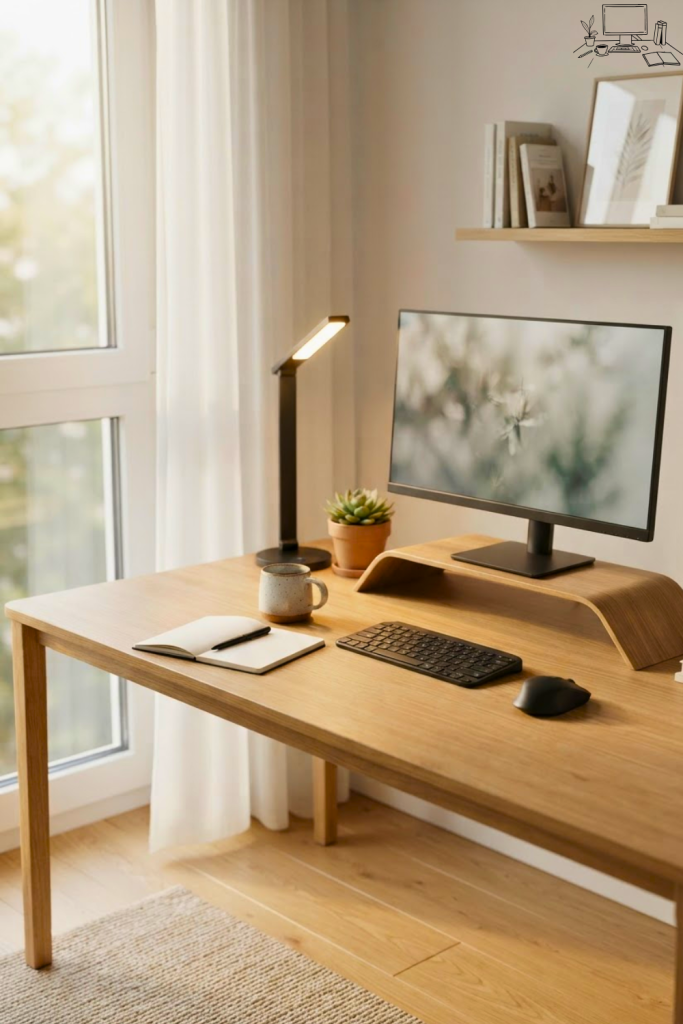
Avoid placing your monitor directly in front of a window, as this can cause glare. Instead, place it to the side of the window. This way, you benefit from natural light without screen issues.
When natural light is insufficient, or for evening work, good task lighting is essential. Choose a desk lamp that provides focused light without being overpowering. A lamp with an adjustable arm is perfect for directing light where you need it.
Look for lamps with a warm light tone, which is more relaxing for your eyes. A combination of ample natural light and well-placed task lighting creates a comfortable and productive environment. Avoid harsh overhead lights that can create glare and make a space feel sterile.
The goal is a soft, inviting glow that supports focus.
Balancing light sources:
- Window Placement: Position your desk to benefit from natural light, ideally with the window to your side to avoid glare.
- Task Lamp Choice: Select an adjustable, minimalist desk lamp that provides focused light where you need it for detailed work.
- Light Tone: Opt for warm-toned bulbs for lamps to create a relaxing and eye-friendly atmosphere in your workspace.
An illustrator working from home might position their desk perpendicular to a window to get soft, diffused daylight. In the evening, they use a sleek, adjustable LED desk lamp with a warm light setting for detailed drawing work.
Studies suggest that working in spaces with natural light can increase alertness and improve mood. One report indicated a 15% increase in productivity for workers with access to natural light.
10. Color Palette and Visual Calm
The colors you choose for your workspace significantly impact its feel. For a minimalist, small-space setup, stick to a calm and neutral color palette. Whites, creams, light greys, and soft pastels are ideal.
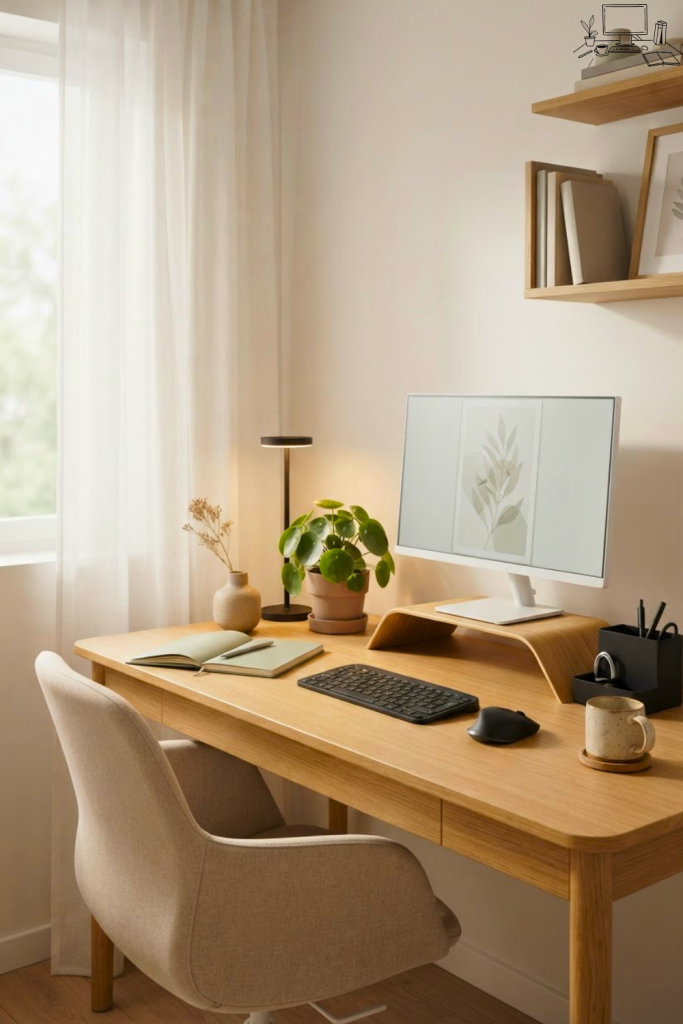
These colors reflect light, making the space feel more open and airy. They also create a sense of peace and order, which is crucial for focus. Avoid bright, jarring colors that can be distracting.
You can introduce subtle pops of color through accessories like a small plant, a desk mat, or a piece of artwork. Natural materials like wood also add warmth and texture without adding visual noise. Keep surfaces clear.
The fewer items visible, the more peaceful the space will appear. Think about the overall impression. A calm color scheme helps reduce visual clutter and promotes a sense of tranquility.
This allows you to concentrate on your tasks without the environment itself being a distraction.
Key color strategy:
- Neutral Base: Use whites, greys, and beiges as your primary colors to create an open and airy feel.
- Subtle Accents: Introduce small touches of color through plants, stationery, or artwork to add personality without overwhelming the space.
- Natural Materials: Incorporate wood or bamboo elements to add warmth and texture, enhancing the calming effect.
A content creator might paint their small home office walls a soft, off-white. Their desk could be light wood, and they might add a single green plant and a muted abstract art print. This creates a serene and professional backdrop.
11. Maintain Cleanliness and Order
Maintaining a minimalist desk setup is an ongoing process. It’s not just about setting it up once; it’s about keeping it that way. Regularly put things back in their designated spots after use.
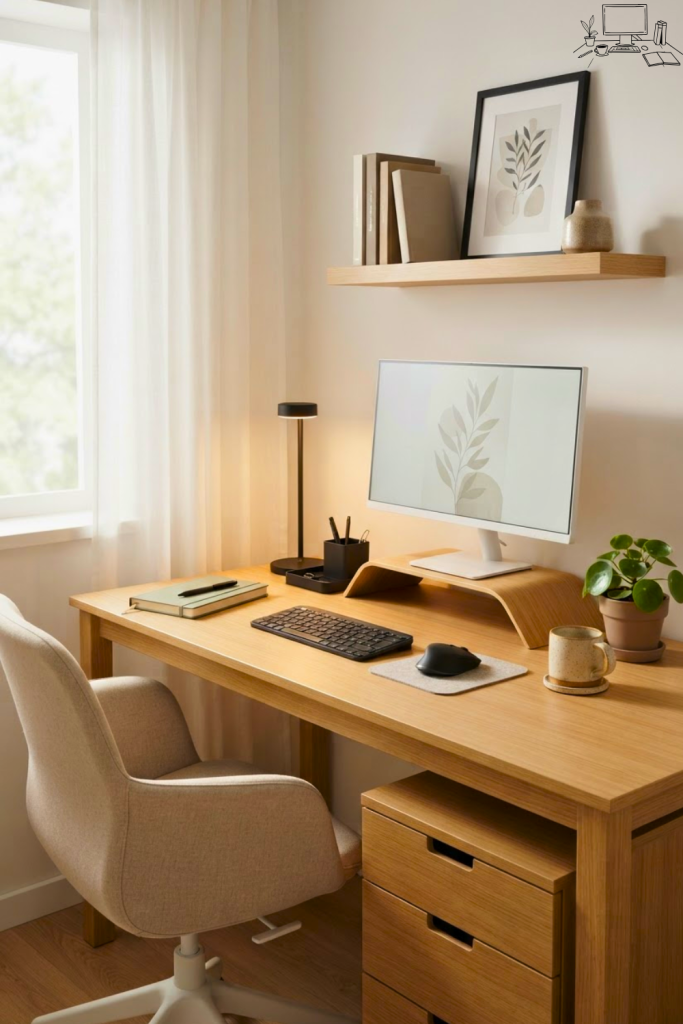
A quick tidy-up at the end of each workday can make a huge difference. This involves wiping down surfaces, putting away papers, and ensuring cables are neat.
Schedule brief, regular decluttering sessions. Even 15 minutes once a week can prevent clutter from building up again. For example, go through mail, discard old notes, and file important documents.
The habit of cleaning as you go is more effective than having to do a massive clean-up later. When your workspace is consistently clean and orderly, it’s easier to get into a productive mindset. It reinforces the minimalist aesthetic and contributes to a feeling of control and calm.
This consistent effort is key to long-term success.
Daily and weekly habits:
- End-of-Day Tidy: Spend five minutes clearing your desk, filing papers, and putting away items before finishing work.
- Weekly Reset: Dedicate 15 minutes each week to a more thorough declutter, dealing with mail and sorting any accumulated items.
- One In One Out: When you bring a new item into your workspace, try to remove a similar old item to maintain balance.
Someone who works from home might develop a habit of clearing their desk every evening. They put pens in a holder, stack current papers neatly, and wipe down the surface. This takes less than five minutes but keeps their workspace consistently tidy.
12. Personalize Thoughtfully
Minimalism doesn’t mean your space has to be cold or impersonal. It means curating items that are meaningful and serve a purpose, including personal touches. Choose a few items that genuinely bring you joy or inspiration.
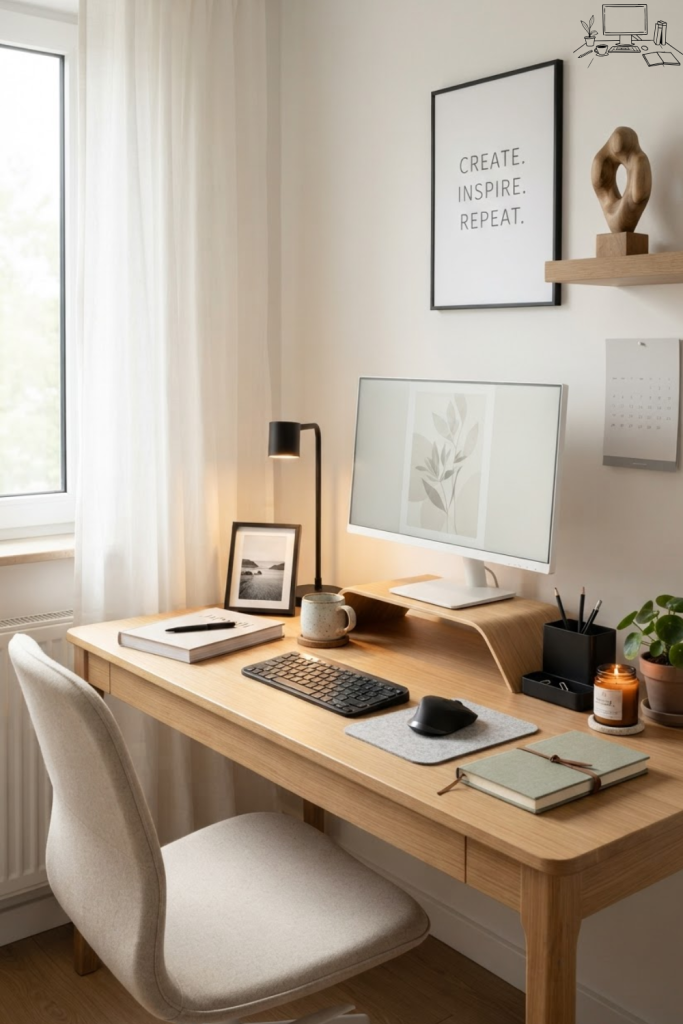
This could be a favorite mug, a small piece of art that speaks to you, or a framed photo of loved ones. The key is to be selective. One or two well-chosen personal items are better than a collection of random trinkets.
Think about how these items contribute to your mood and productivity. Do they uplift you? Do they remind you of your goals?
Your personal touches should enhance your workspace, not distract from it. Consider items that are also functional. For example, a beautifully designed journal or a unique pen can be both personal and useful.
By personalizing thoughtfully, you create a space that feels uniquely yours, while still adhering to the principles of minimalism and efficiency for small areas.
Thoughtful personalization:
- Meaningful Objects: Select one or two items that hold significant personal value or inspire you daily.
- Functional Favorites: Choose personal items that also serve a practical purpose, like a stylish notebook or a favorite mug.
- Inspirational Art: Display a piece of art or a photo that energizes you or reflects your personal style.
A musician might have a small, aesthetically pleasing framed photo of their favorite artist on their desk, alongside a high-quality notebook for jotting down song ideas. This adds a personal, inspiring element without cluttering the space.
Frequently Asked Questions
Question: What is the most important factor for a minimalist desk setup in a small space?
Answer: Decluttering ruthlessly is the most important factor. Removing unnecessary items makes the biggest immediate impact on creating a sense of space and order.
Question: How do I choose a desk for a very small room?
Answer: Look for compact designs like wall-mounted desks, floating desks, or narrow console desks. Prioritize functionality and a slim profile.
Question: Is it okay to have plants in a minimalist workspace?
Answer: Yes, small plants can be a great addition. They bring life and color and contribute to a calm atmosphere, fitting well with the minimalist aesthetic.
Question: How can I manage cables without making my desk look messy?
Answer: Use cable clips, sleeves, or management boxes to bundle and hide wires. Wireless peripherals also greatly reduce cable clutter.
Question: What colors are best for a minimalist small desk setup?
Answer: Stick to a neutral palette like white, grey, or soft pastels. These colors help reflect light and make the space feel larger and more serene.
Creating a minimalist trending desk setup for small spaces is achievable. Focus on decluttering, choosing functional items, and smart storage. Keep surfaces clear and walls organized.
A well-designed small workspace can boost productivity and peace. Enjoy your neat, efficient area.