
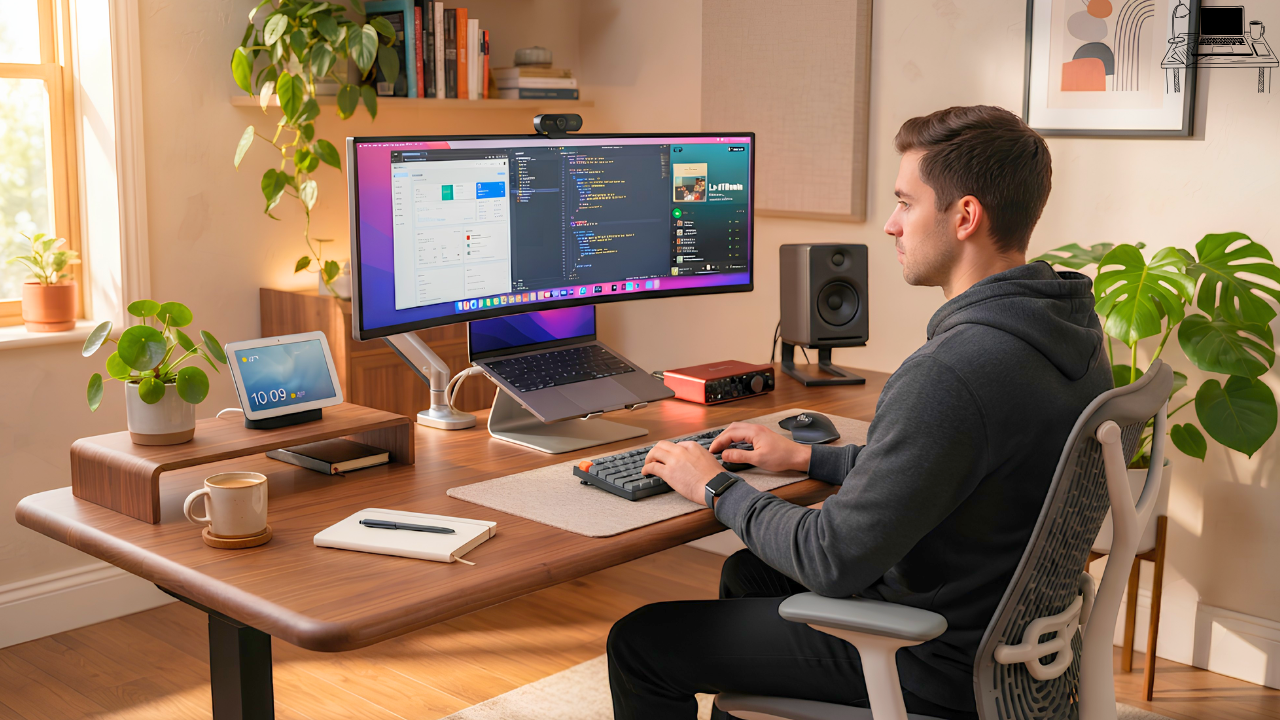
Setting up your home office can feel tricky at first. Many people wonder where to begin when thinking about their home office desk setup work stations. It seems like there are so many options and things to consider, making it feel a bit overwhelming.
But don’t worry, it’s easier than you think. We’ll walk through it step by step to make creating your perfect workspace simple and fun. Let’s get your ideal setup ready.
The 12 Essential Home Office Desk Setup Work Stations
Creating a functional and comfortable home office is key for productivity and well-being. Many people struggle with this because they aren’t sure what elements are truly important or how they fit together. It’s easy to get lost in too many choices or to forget simple but vital aspects. The goal is to build a space that supports your work, not hinders it. This guide breaks down the process into manageable steps, focusing on what truly matters for your home office desk setup work stations. We’ll cover everything from choosing the right desk and chair to optimizing lighting and organizing your essentials. By following these tips, you can create a home office that feels both professional and personal, boosting your focus and efficiency. Let’s explore how to build a workspace that works for you, making your workday more enjoyable and productive.
1. Choosing the Right Desk
The desk is the heart of your home office. Picking the correct one makes a huge difference in comfort and how much you can get done. You need enough space for your computer, papers, and any other tools you use daily. Think about the size of your room and how much space you have. A desk that’s too big can make a small room feel cramped. A desk that’s too small might not hold everything you need.
Desk Types
- Standard Desks These are the most common and come in many shapes and sizes. They offer a flat surface and often have drawers for storage.
- Standing Desks These allow you to switch between sitting and standing. This can help reduce long periods of sitting, which is good for your health. Some are adjustable, letting you set the perfect height.
- Corner Desks These use the space in a room’s corner efficiently. They often provide a large surface area and can help define a workspace in an open room.
A common issue is choosing a desk that looks good but isn’t practical. For example, a beautiful but very shallow desk won’t give you enough legroom or space for your monitor. A study found that 65% of remote workers reported that their workspace setup directly impacts their productivity. Having a desk that fits your needs means you won’t be constantly rearranging things or feeling cramped.
Desk Features to Consider
- Height The desk should be at a height where your arms can rest comfortably on it, with your elbows at a 90-degree angle when typing.
- Surface Area Ensure there’s enough room for your computer monitor, keyboard, mouse, and any other essentials you keep on your desk.
- Storage Drawers or shelves can help keep your workspace tidy and organized, reducing clutter.
For instance, someone working with multiple monitors might need a wider desk. A graphic designer might need a large, flat surface for drawing tablets. A writer might need ample space for notebooks and reference materials. The key is to match the desk to your specific job and personal preferences.
2. The Importance of an Ergonomic Chair
Your chair is just as important as your desk. You spend a lot of time sitting, so comfort and support are vital. A good ergonomic chair can prevent back pain, improve posture, and increase your focus. Cheap, uncomfortable chairs might seem like a good way to save money, but they can cost you in the long run through discomfort and health issues.
Chair Components
- Lumbar Support This is a curve in the backrest that supports your lower back. Good lumbar support helps maintain the natural curve of your spine.
- Adjustable Height You should be able to adjust the chair height so your feet are flat on the floor and your knees are at a 90-degree angle.
- Armrests These should be adjustable to allow your shoulders to relax. They should support your forearms comfortably.
- Seat Depth and Width The seat should be deep enough to support your thighs but not so deep that it presses into the back of your knees. It should also be wide enough for comfortable seating.
A well-designed ergonomic chair supports your body properly. This means it helps you maintain a healthy posture even after long hours of work. Without proper support, your body compensates, leading to strain and pain. Studies suggest that using ergonomic furniture can reduce the risk of musculoskeletal disorders by up to 20%.
Examples of Good Chair Use
- A software developer might sit for long stretches. An ergonomic chair with excellent lumbar support will prevent back fatigue.
- A customer service representative who spends all day on the phone needs a chair that keeps them comfortable and alert. Adjustable armrests help them type and use the phone freely.
A common mistake is to think any padded chair is fine. However, a chair’s design for long-term support is what makes it ergonomic. Look for chairs that allow for multiple adjustments. This ensures you can fine-tune the fit to your unique body shape and size.
3. Optimizing Monitor Placement
Where you put your computer monitor affects your eyes and neck. The goal is to position it so you don’t have to strain to see. This helps prevent headaches and neck pain. The correct placement also improves your overall posture at your desk.
Ideal Monitor Position
- Height The top of your screen should be at or slightly below eye level. This means you look slightly downward at the screen.
- Distance The monitor should be about an arm’s length away from you. Too close can strain your eyes, and too far can make you lean forward.
- Angle The screen should be directly in front of you, not angled off to the side. If you use multiple monitors, arrange them so you don’t have to twist your neck.
Many people place their monitor too high or too low. If it’s too high, you’ll crane your neck upwards. If it’s too low, you’ll hunch over. Both can lead to discomfort. A monitor stand or an adjustable monitor arm can help you achieve the perfect height and position.
Scenario for Monitor Setup
- A writer might have their monitor centered in front of them, at eye level, with enough space for a keyboard and notepad.
- A gamer might have multiple monitors arranged in a slight curve around them for an immersive experience, ensuring each screen is at the optimal angle.
Using a monitor arm is a great way to achieve ideal placement. It also frees up desk space, making your home office desk setup work stations feel less cluttered. Remember that personal preference plays a role, but these guidelines are a good starting point for most people.
4. Keyboard and Mouse Comfort
Your keyboard and mouse are your primary tools for interacting with your computer. They need to be positioned so they don’t cause strain on your wrists or hands. Proper placement is key to avoiding repetitive strain injuries.
Ergonomic Keyboard and Mouse Tips
- Keyboard Position Place the keyboard directly in front of you, close enough so your elbows remain at a 90-degree angle.
- Wrist Position Keep your wrists straight and neutral, not bent up, down, or to the sides. Avoid resting your wrists on hard edges.
- Mouse Position The mouse should be close to the keyboard, allowing you to use it without reaching.
Many people hunch their shoulders or bend their wrists awkwardly when typing. This can lead to pain over time. Ergonomic keyboards and mice are designed to promote a more natural hand and wrist position. Some keyboards are split or curved to help keep wrists straight.
Common Mistakes and Solutions
- Mistake Placing the keyboard too far away, forcing you to reach.
- Solution Move the keyboard closer to your body so your elbows can stay bent at 90 degrees.
- Mistake Resting wrists on the desk edge, creating pressure.
- Solution Use a gel wrist rest or ensure your chair armrests are at the correct height to support your forearms.
A recent survey indicated that 70% of office workers experience some form of discomfort from their computer peripherals. Investing in comfortable keyboard and mouse setups is a smart move for long-term health. Some people find a trackball mouse or an ergonomic vertical mouse helpful for reducing wrist strain.
5. Lighting for Productivity and Eye Health
Good lighting is crucial for a comfortable and productive workspace. Too little light strains your eyes, and too much can cause glare. The right lighting reduces fatigue and improves focus. It also makes your workspace more pleasant.
Types of Lighting
- Ambient Lighting This is the general light in the room, usually from overhead fixtures. It should be soft and diffused.
- Task Lighting This is focused light, like a desk lamp. It’s used for specific tasks like reading or writing.
- Natural Light Sunlight is excellent, but avoid direct glare. Position your desk so the light comes from the side, not from in front or behind your screen.
Glare on your computer screen is a major problem. It comes from bright light sources reflecting off the screen, making it hard to see. Position your desk and light sources to minimize this. For example, if you have a window to your right or left, the light will hit your desk from the side, reducing glare on your screen.
Tips for Better Lighting
- Desk Lamp Placement Position your desk lamp so it illuminates your workspace without shining directly into your eyes or onto your screen.
- Bulb Choice Use bulbs that emit a neutral or cool white light for task lighting, as this can improve focus. Warm light is better for relaxation.
- Dimmer Switches If possible, use dimmer switches to adjust the light level as needed throughout the day.
A study showed that employees in offices with good natural light reported higher levels of well-being and productivity. If natural light is limited, a good desk lamp and well-placed overhead lighting can compensate. About 30% of people report eye strain from poor lighting conditions.
6. Managing Cables for a Tidy Space
Cable clutter can make your workspace look messy and unorganized. It can also be a tripping hazard. Keeping cables tidy not only improves the look of your home office desk setup work stations but also makes it safer and easier to clean.
Cable Management Solutions
- Cable Sleeves and Ties These wrap around multiple cables, bundling them together neatly.
- Cable Clips and Holders These attach to your desk or wall to guide and secure individual cables.
- Under-Desk Cable Trays These mount beneath your desk to hold power strips and excess cable length.
- Wireless Devices Where possible, use wireless keyboards, mice, and chargers to reduce the number of cables.
The average desk can have anywhere from 5 to 15 cables, depending on the setup. This number can grow quickly with multiple monitors, printers, and other accessories. Untangling cords can be a frustrating part of cleaning or rearranging.
Practical Application
- Example 1 A gamer might have several power bricks and cords for their PC, monitors, and console. Using an under-desk tray and cable ties can hide this mess, making the area look much cleaner.
- Example 2 Someone working from home with just a laptop and a single monitor can use simple cable clips to keep the charging cord and any USB cords organized along the back edge of their desk.
A clean cable setup contributes to a calmer workspace. This calm can translate into better focus and reduced stress. It’s a small detail, but it has a big impact on the overall feel of your home office. Many people underestimate how much visual clutter affects their mental state.
7. Storage and Organization Essentials
A well-organized workspace helps you find what you need quickly and efficiently. This reduces wasted time searching for documents or supplies. Good storage solutions keep your desk clear and your mind focused.
Key Storage Items
- Drawer Organizers These are perfect for keeping pens, paperclips, and other small items sorted within desk drawers.
- File Cabinets or Shelving Units For documents, books, or larger supplies, these provide dedicated storage space.
- Desk Organizers These sit on your desk and hold frequently used items like notebooks, pens, or your phone.
- Wall-Mounted Shelves If desk space is limited, shelves above your desk can store items without taking up valuable surface area.
Imagine needing a specific report and spending ten minutes digging through piles of paper. With good organization, you’d know exactly where to find it. This efficiency translates directly into more productive work time. Clutter is not just visual; it can be a functional barrier to getting things done.
Organization Strategies
- Categorize Items Group similar items together (e.g., all writing tools, all stationery).
- Label Everything Clearly label folders, drawers, and containers so you know what’s inside.
- Regular Decluttering Set aside time each week to clear your desk and put things back in their proper place.
A study by Princeton University found that visual clutter can make it harder for your brain to focus on specific tasks. By minimizing clutter and organizing your space, you’re helping your brain perform better. This applies to both physical and digital organization.
8. Sound and Acoustics Control
The sound environment in your home office can significantly impact your concentration. Distractions from household noise or street sounds can break your focus. Managing acoustics helps create a more peaceful and productive work setting.
Sound Management Techniques
- Noise-Canceling Headphones These are excellent for blocking out external noise and creating a personal sound bubble.
- White Noise Machines or Apps These produce a consistent, soothing sound that can mask distracting noises and improve focus.
- Soft Furnishings Carpets, curtains, and upholstered furniture can absorb sound, reducing echo and reverberation in the room.
- Room Placement If possible, choose a room furthest from noisy areas of your home or street.
Many people underestimate the impact of sound on their work. Unexpected loud noises, like a dog barking or a loud car horn, can interrupt deep work. This interruption can take several minutes to recover from. Acoustic panels can also be added to walls to further absorb sound.
Scenario: Improving a Noisy Space
- Problem A home office located near a busy street.
- Solution Use thick curtains to block some street noise. Invest in a pair of good quality noise-canceling headphones for focused work sessions. Play some ambient instrumental music or white noise through speakers at a low volume.
A balanced sound environment is key. Too much silence can be as distracting as too much noise for some people. Finding the right balance with ambient sounds or instrumental music can create a pleasant and productive atmosphere. This is an often-overlooked aspect of home office desk setup work stations.
9. The Role of Proper Ventilation and Air Quality
The air you breathe in your workspace affects your energy levels and cognitive function. Stale air can make you feel tired and unfocused. Good ventilation ensures a fresh and healthy environment, supporting sustained concentration.
Improving Air Quality
- Open Windows Regularly Even for a few minutes each day, opening windows allows fresh air to circulate.
- Air Purifiers These devices filter out dust, allergens, and other pollutants from the air.
- Houseplants Certain plants can help purify the air and add a touch of nature to your workspace.
- Avoid Strong Scents Perfumes, air fresheners, and strong cleaning products can sometimes cause headaches or breathing discomfort for some individuals.
Poor indoor air quality is a common issue. It can lead to symptoms like headaches, fatigue, and difficulty concentrating. Studies have shown that improved ventilation can lead to a significant increase in cognitive performance, sometimes by over 100%.
Simple Air Quality Tips
- Desk Placement Near Windows If possible, set up your desk near a window to benefit from natural airflow.
- Regular Cleaning Dusting surfaces and vacuuming floors helps reduce airborne particles.
- Using Fans Fans can help circulate air, especially if opening windows isn’t always an option.
Maintaining good air quality is a simple yet powerful way to enhance your work environment. It’s about creating a space that actively supports your health and focus. This aspect is often overlooked in home office desk setup work stations but is incredibly impactful.
10. Personalization and Aesthetics
While functionality is paramount, the look and feel of your workspace also matter. Personalizing your office makes it a more inviting and enjoyable place to be. It can boost your mood and motivation.
Personalization Ideas
- Decorations Add pictures, artwork, or plants that you love.
- Color Scheme Choose colors that you find calming or energizing.
- Comfort Items Include a comfortable rug, a soft throw blanket, or a cozy cushion.
- Inspirational Items Display items that motivate you, like quotes, awards, or memorabilia.
A workspace that feels sterile and impersonal can feel like a chore to enter each day. Adding elements that reflect your personality makes it feel like your space. This sense of ownership can increase your connection to your work and your environment. Research suggests that employees in aesthetically pleasing environments report higher job satisfaction.
Balancing Form and Function
- Example 1 A baker might have a recipe book on a shelf and a few charming kitchen-themed decor items on their desk, blending their passion with their work setup.
- Example 2 A writer might display framed book covers or literary quotes, creating an inspiring atmosphere conducive to creativity.
The key is to add touches that bring you joy without creating clutter or distraction. Think of it as creating an environment that supports your well-being as much as your productivity. Your home office desk setup work stations should feel like a reflection of you.
11. Technology Integration and Setup
Your technology is central to how you work. Setting it up efficiently ensures a smooth workflow. This includes not just the computer but also printers, scanners, and internet connectivity.
Key Technology Components
- Reliable Internet A stable and fast internet connection is non-negotiable for most modern work.
- Computer Peripherals Ensure your monitor, keyboard, and mouse are compatible and set up for comfort.
- Printers and Scanners If you need them, find space for them that’s easily accessible but not in the way.
- Webcam and Microphone For virtual meetings, good quality audio and video are important.
Slow internet or a printer that’s hard to reach can cause frustration and lost time. Many people struggle with setting up multiple devices or ensuring they all work together seamlessly. A strong Wi-Fi signal is crucial, and sometimes a Wi-Fi extender or a mesh network might be needed for larger homes.
Scenario: Optimizing Tech Setup
- Problem A home office with a weak Wi-Fi signal in one corner.
- Solution Relocate the desk to a spot with better signal strength or invest in a Wi-Fi extender to boost the signal to the workspace. Ensure all cables are neatly managed to avoid tangles.
Consider the workflow of your technology. Where do you need your printer to be? How will you connect your laptop to your monitor and keyboard? Planning this out in advance makes a big difference. About 90% of businesses rely on digital communication, highlighting the importance of efficient tech setup.
12. Creating a Dedicated Workspace
Having a dedicated space for work, even if it’s just a corner of a room, is crucial. It helps you switch on and off from work mode. This separation can improve focus during work hours and allow for better relaxation afterward.
Benefits of a Dedicated Space
- Mental Separation It helps create a clear boundary between work life and home life.
- Reduced Distractions If it’s a separate room, it’s easier to minimize household interruptions.
- Improved Focus Being in your designated workspace signals to your brain that it’s time to concentrate.
Working from the couch or the dining table might seem convenient, but it can blur the lines between work and leisure. This can lead to working longer hours or feeling like you’re never truly off the clock. A dedicated space, however small, signals a professional approach to your work.
Examples of Dedicated Spaces
- Separate Room The ideal scenario, offering maximum peace and quiet.
- Corner of a Living Room or Bedroom Use a room divider, screen, or a strategically placed bookshelf to create a distinct zone.
- A Nook or Alcove These small spaces can be transformed into efficient workspaces with the right desk and shelving.
Even a small desk in a corner can become a powerful home office desk setup work stations when it’s consistently used for work. This dedicated spot helps train your brain to associate that location with productivity. It’s about creating a ritual around starting and ending your workday.
Frequently Asked Questions
Question: What is the most important aspect of a home office desk setup?
Answer: The most important aspect is comfort and ergonomics. This means choosing a desk and chair that support your body properly to prevent pain and fatigue, allowing you to focus on your work.
Question: How can I make my home office more productive?
Answer: You can make your home office more productive by optimizing your lighting, reducing clutter through good organization, managing distractions with sound control, and ensuring your technology is set up efficiently.
Question: Should I get a standing desk?
Answer: A standing desk can be beneficial as it allows you to switch between sitting and standing, which can improve posture and energy levels. However, it’s important to ensure it’s set to the correct height for you.
Question: How much space do I need for a home office?
Answer: You don’t need a lot of space. Even a small corner or a dedicated desk area can function as an effective home office. The key is to make the space functional and comfortable for your needs.
Question: What if I have a lot of cables?
Answer: Cable management solutions like ties, sleeves, clips, and trays can help keep cables organized and out of sight. Using wireless devices also reduces cable clutter.
Wrap Up
Creating an effective home office desk setup work stations involves thoughtful choices about your desk, chair, lighting, and organization. Prioritize comfort and ergonomics to prevent strain and boost focus. A well-organized, personalized space with good acoustics and air quality supports your well-being and productivity. Make small, impactful changes to build a workspace that truly works for you.